
Comparing Gas Furnaces and Electric Resistance Heating
Date: 11-01-2026
Start With What Is Actually Heating Your Home
Two homes in Lexington can both have electric bills and completely different heating equipment. One may use a gas furnace that needs electricity for its blower and controls. The other may use electric resistance heat or a heat pump. Before comparing replacement options, identify your system. A thermostat's heat setting alone does not tell you.
This comparison focuses on gas furnaces and electric resistance furnaces. Both move heated air through ducts, but how they produce heat affects installation, energy use, and maintenance.
How Each Furnace Produces Heat
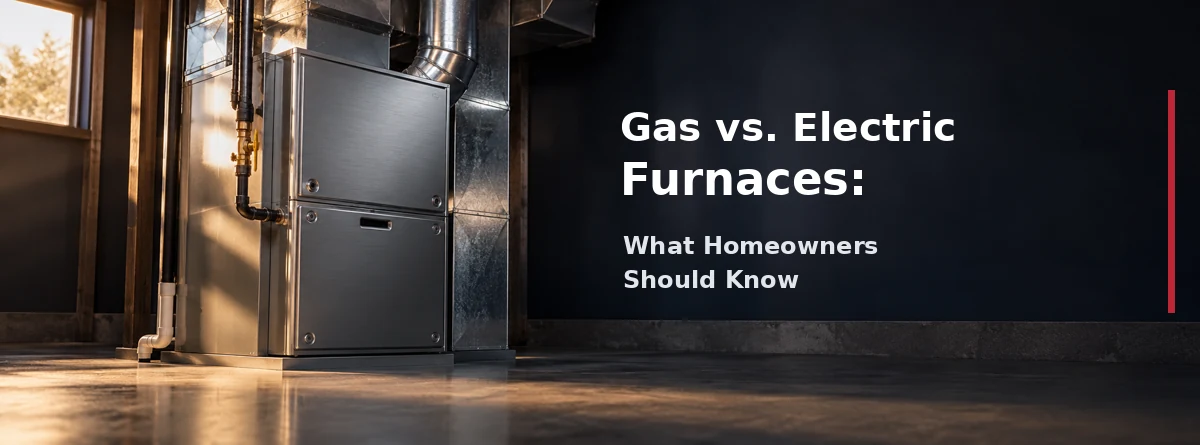
A gas furnace burns natural gas or propane. Heat passes through a heat exchanger into the circulating air, while combustion exhaust leaves through an approved venting system. The blower distributes the warmed air throughout the house.
An electric resistance furnace passes current through heating elements. Air moves across the elements and into the ducts. The furnace has no fuel-burning process or combustion exhaust vent, but it still requires correctly sized electrical service, wiring, and safety controls.
Efficiency Is Not the Same as Operating Cost
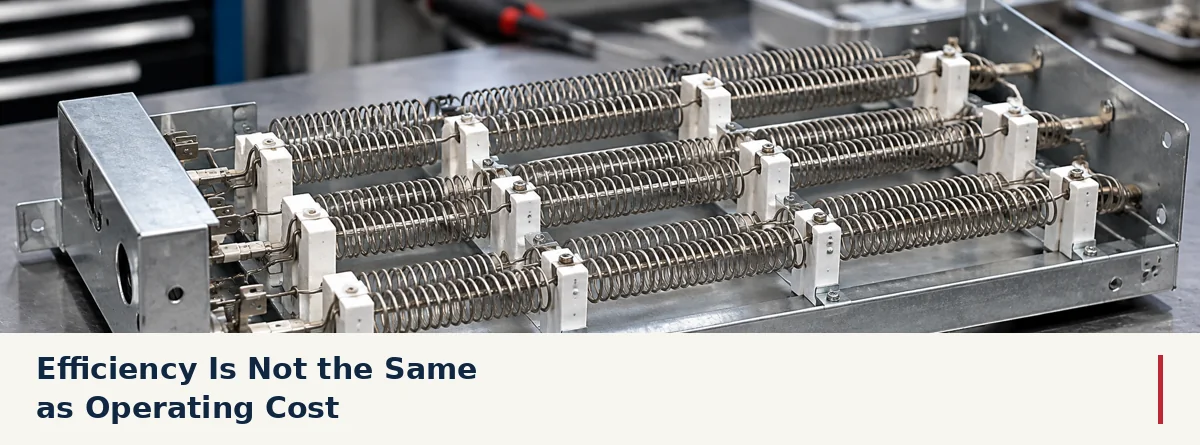
Electric resistance elements convert all their electrical energy essentially into heat at the point of use. That does not automatically make an electric furnace the least expensive heating choice. Electricity prices and your home's heating needs still determine the bill.
Gas furnace efficiency is commonly expressed as annual fuel utilization efficiency, or AFUE. A higher AFUE means more of the fuel's energy becomes usable heat. Neither an efficiency rating nor a fuel label accounts for every loss through leaky ducts or a poorly insulated home.
For a useful comparison, ask for estimated annual heating costs using your actual utility rates and a home-specific heating load. Include fixed gas charges, propane delivery costs where applicable, and installation work. Avoid choosing from equipment prices alone.
Existing Connections Can Change the Decision
If your Columbia home already has usable gas service and suitable venting, replacing a gas furnace may involve less conversion work than changing fuels. If it has no gas connection, adding service and venting can greatly change the project.
An electric furnace avoids combustion venting, but a conversion can require electrical upgrades. Have a qualified contractor assess the available electrical capacity rather than assuming the existing circuit will work. Mid-State's HVAC system upgrade services provide a starting point for reviewing the existing setup.
Include a Heat Pump in the Conversation
A heat pump uses electricity too, but it moves heat instead of relying entirely on resistance elements. That distinction makes it worth comparing for Midlands homes, where heating and cooling are both important. Some heat pumps use electric resistance strips as supplemental or backup heat; those strips are not the same as normal heat-pump operation.
A heat pump may reduce heating electricity use compared with resistance-only equipment, depending on system performance and conditions. A dual-fuel arrangement pairs a heat pump with a gas furnace. Neither option is automatically the right choice for every house.
Choose for the Whole Home

Comfort depends on equipment sizing, airflow, controls, insulation, and duct condition, as well as fuel. An oversized furnace can cycle too often; restricted airflow can leave rooms uncomfortable. Resolve those issues during replacement planning.
Both furnace types need filter care and professional maintenance. Gas equipment also needs combustion and venting checks. Leave electrical testing, burner adjustments, and internal repairs to qualified technicians. Mid-State provides HVAC inspections and repairs when the current system needs evaluation.
Bring recent utility bills and your equipment model information to a replacement discussion. Mid-State Heating and Air, LLC can review your home and explain practical choices. Contact our team at (803) 609-6689 for help in Columbia, Lexington, and the South Carolina Midlands.