
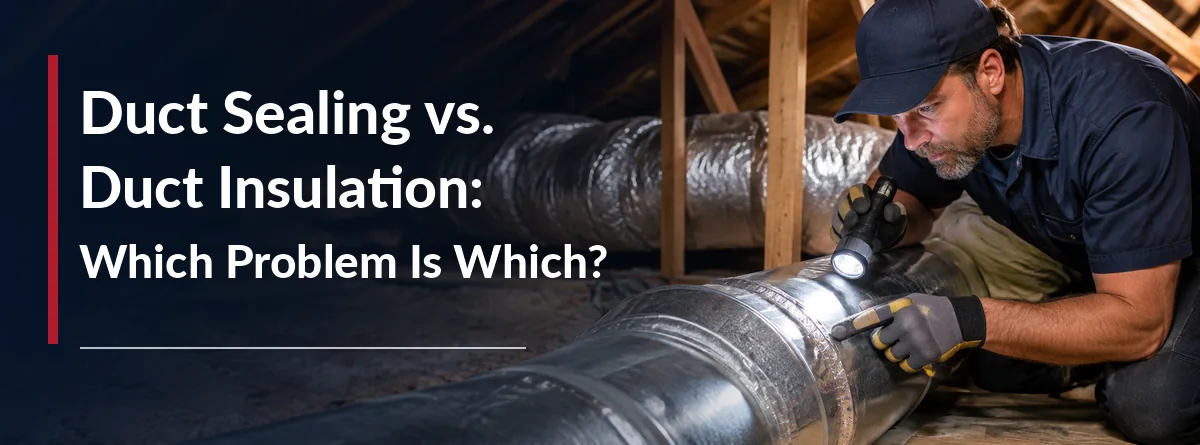
Duct Sealing or Insulation: What Does Your Home Need?
Date: 12-01-2026
Two Duct Problems That Often Get Confused
When a room stays warmer or cooler than the rest of your house, the problem may not be your air conditioner or furnace. The ductwork delivering conditioned air could be leaking, poorly insulated, or both.
In Columbia and Lexington, South Carolina, ductwork often passes through hot attics or unconditioned crawlspaces. These locations expose ducts to temperatures that differ significantly from indoor conditions. Understanding the difference between duct sealing and duct insulation can help homeowners identify the right questions to ask before paying for repairs.
How Sealing Stops Air Leaks
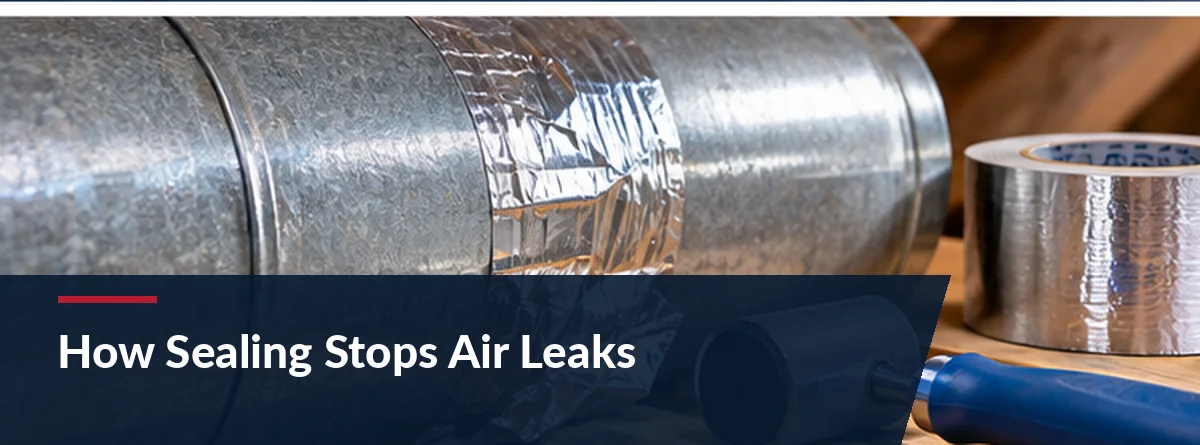
Duct sealing addresses gaps, loose connections, cracks, and disconnected sections that let air escape or allow unwanted air into the duct system. Even a properly functioning HVAC system may struggle to maintain comfortable temperatures when conditioned air leaks into an attic or crawlspace.
Typical trouble spots include supply and return connections, duct seams, plenums, and register boots. Depending on the duct material and condition, a technician may use approved duct mastic, properly rated foil tape, or connection repairs.
Regular cloth-backed household duct tape is not recommended for long-term duct sealing. If a section is crushed or disconnected, the correct solution may involve repairing or replacing it rather than applying more sealant.
Mid-State Heating and Air, LLC offers duct sealing services in Columbia and Lexington to help address unwanted air loss and related airflow problems.
Why Insulation Limits Heat Transfer
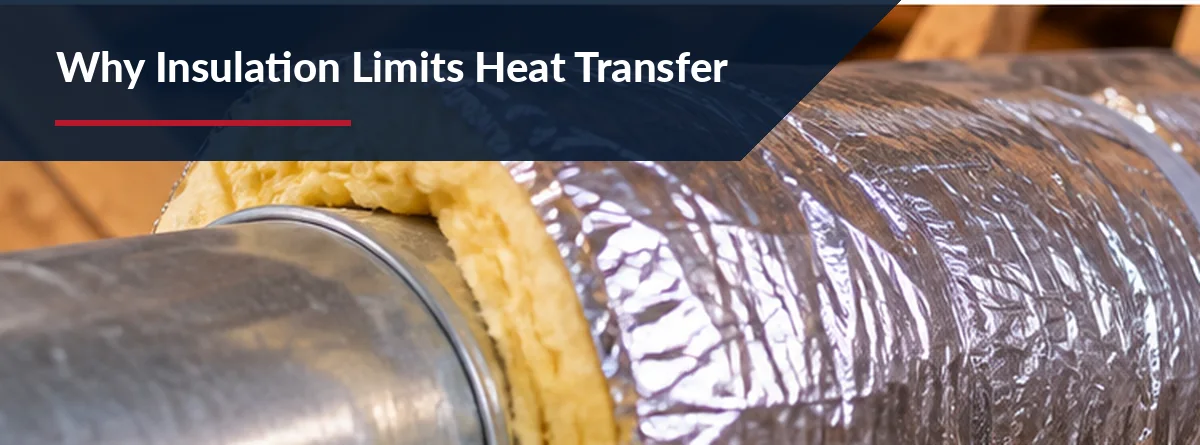
Duct insulation solves a different problem. Even when ducts are airtight, heat can move through their walls. During a South Carolina summer, a hot attic can warm the cooled air traveling toward your rooms. During winter, heated air can lose warmth while passing through cold spaces.
Proper insulation slows this heat transfer. Insulated ductwork commonly uses fiberglass or another suitable insulating material protected by an exterior facing or jacket. The appropriate insulation level depends on the duct location, system design, and applicable requirements.
Insulation must also be properly installed. Gaps, compressed insulation, torn jackets, or damaged vapor barriers can reduce performance and may contribute to moisture concerns.
How Can You Tell Which Problem You Have?
Some symptoms suggest air leakage, while others may indicate inadequate insulation. However, symptoms alone do not provide a definite diagnosis.
- Possible duct leakage: disconnected joints, visible openings, unusually weak airflow, or dust and odors associated with duct connections.
- Possible insulation problems: exposed metal ducts in an unconditioned attic, missing insulation, damaged exterior wrapping, or noticeable temperature changes along a duct run.
- Possible combined problems: uneven room temperatures, longer heating or cooling cycles, and ductwork with both damaged insulation and loose connections.
Dirty filters, restricted returns, improperly sized ducts, and equipment problems can cause similar symptoms. A professional HVAC inspection and airflow evaluation can help distinguish duct problems from equipment-related issues.
When Should Ducts Be Sealed and Insulated?
Homes with ductwork running through unconditioned attics, garages, or crawlspaces may benefit from both improvements. Sealing reduces unintended air movement, while insulation helps maintain the air temperature as it travels through the ducts.
When both treatments are appropriate, duct connections should generally be inspected and sealed before insulation covers them. Existing insulation may need to be moved or replaced to access damaged joints. The finished system should also be checked for proper airflow and safe operation.
ENERGY STAR recommends evaluating the entire duct system rather than treating visible symptoms alone. Any work affecting combustion appliances or complicated duct connections should be handled by qualified professionals.
What Should Columbia-Area Homeowners Do Next?
If your home has uncomfortable rooms, exposed attic ducts, or noticeable duct damage, begin with an inspection rather than assuming new insulation or sealant is automatically the answer.
You can check accessible ductwork for obvious tears or loose connections without opening equipment or disturbing electrical components. Leave detailed testing, difficult access areas, and technical repairs to an HVAC professional.
Mid-State Heating and Air, LLC serves Columbia, Lexington, Chapin, Irmo, and surrounding Midlands communities. To discuss ductwork concerns, request an HVAC appointment or call (803) 609-6689.