
When It’s Time to Replace Your Old AC Unit
Date: 01-01-2026
Signs Your AC Unit Is Too Old
If you’ve ever found yourself walking around your house wondering why one room feels like the Arctic and the next feels like a warm afternoon in July, there’s a good chance your AC is trying to tell you something. Air conditioners don’t usually quit overnight. Instead, they slowly show signs of age—little hints here and there that they’re just not the same system they used to be. And in a South Carolina summer, when the heat shows up early and overstays its welcome, an aging AC system can make day-to-day life a lot more uncomfortable than it needs to be.
This guide breaks down the most common signs your AC unit is getting too old, what you can safely check on your own, and when it’s time to bring in a licensed HVAC technician for a closer look. The goal isn’t to diagnose your system yourself—just to help you recognize the red flags so you’re never stuck without cooling when you need it most.
1. System Age and Efficiency
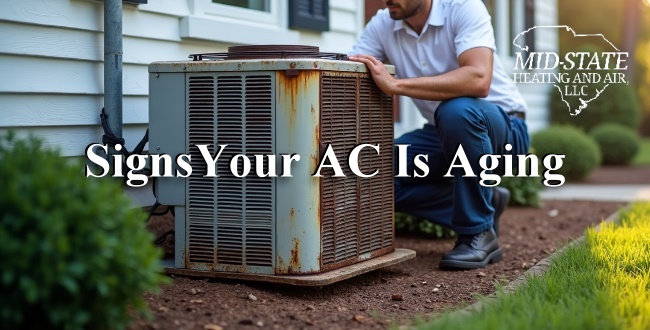
Let’s be honest—nobody keeps track of the exact age of their HVAC system until something starts acting up. But age really does matter. Most AC units live a good solid life of about 10–20 years. If yours is creeping past the 12- or 15-year mark, it’s officially in the “senior citizen” stage of HVAC life. That doesn’t mean it’s going to fail tomorrow, but it does mean you should start paying closer attention to how it’s performing.
Older systems naturally lose efficiency. You might notice your AC running longer than it used to, turning on more often, or struggling to cool down the house during hotter days. In South Carolina’s humid climate, air conditioners work overtime, which can wear them down even faster. You don’t need to open anything up or do any risky DIY—just keep an eye on how hard the system seems to be working. If it feels like it’s constantly running but you’re not getting the comfort you used to, age could be the cause.
2. Uneven Temperature or Hot/Cold Spots
One of the most significant “my AC is getting old” clues is uneven cooling. Maybe your living room feels perfect, but your bedroom never cools off. Or perhaps the upstairs feels muggy while the downstairs feels great. This happens when an older system can’t move air as well as it once did.
Sometimes the issue is as simple as blocked vents or furniture getting in the way. Those are easy homeowner-safe things to check. But if everything looks clear and you’re still dealing with uncomfortable temperature swings, your system may no longer have the power or efficiency it once had. Older blowers, weakened components, or duct issues can all play a role—and those are things only a licensed HVAC pro should dig into.
3. Strange Noises or Odors
If your AC starts making sounds you’ve never heard before, that’s a pretty strong sign it’s aging. Rattling, clicking, buzzing, hissing—none of these noises should be ignored. It usually means something inside is wearing out, loosening, or struggling to keep up. And while noises are concerning, unusual smells can be even bigger warning signs.
A musty smell may just indicate moisture or a clogged filter. But burning, metallic, or “electrical” odors should never be ignored. These can indicate overheating or electrical issues, which homeowners should not inspect. If you ever smell something out of the ordinary, turn off the system and call a licensed technician right away.
4. Rising Utility Bills Over Time
If your AC is getting up there in age, your energy bill will usually rat you out before the system does. Even if the AC still cools your home, it may be working twice as hard behind the scenes to keep up. Over a few summers, that extra effort shows up as higher and higher monthly bills.
You can safely check a few things on your own: make sure the filter isn’t clogged, confirm the outdoor unit isn’t covered in debris, and check that all vents are open. But if you’re doing everything right and the energy bill keeps creeping up, that’s a strong sign your system’s efficiency is slipping due to age. Modern AC units are far more efficient, so upgrading can sometimes save enough in energy costs to make a big difference.
5. Frequent Repairs or Recurring Problems
The occasional repair is regular. But if your AC feels like it has its own “reserved parking spot” for the HVAC technician’s van, it might be time to reassess. When older systems start wearing out, it’s rarely just one problem; it’s one problem leading to another. A fan motor goes out… then a capacitor… then a coil issue pops up…, and before you know it, you’ve spent more on repairs in two years than what a new system would have cost.
It’s never safe for homeowners to troubleshoot internal parts, but tracking how often the system needs service can tell you a lot. If repairs are becoming a pattern or the same issue keeps recurring, your AC may be signaling that it’s nearing the end of its life.
Additional Tips
- Swap out your air filters every few months to keep airflow strong and reduce stress on older equipment.
- Schedule your yearly inspection—regular maintenance helps catch problems early and can extend your system’s life.
- Make rugs, curtains, or furniture that don’t block sure vents and registers so air can flow freely.
- Pay attention to changes in sound, performance, or energy usage—small shifts can be early warning signs.
Your AC doesn’t have to fail to show it’s on the decline suddenly. Most systems give you hints early—uneven cooling, higher bills, new noises, or just feeling like it’s working harder than it should. Paying attention to these signs helps you avoid costly surprises and gives you time to plan instead of scrambling during a heat wave.
If anything you’re noticing seems unusual, the safest thing to do is schedule a professional inspection. A licensed HVAC tech can tell you whether your system has more life left or whether it’s time to consider an upgrade. And the good news? Modern AC technology is far more efficient, quieter, and better suited for South Carolina heat than older systems ever were.
Ready to get some answers about your AC? If your system has been acting differently lately—or you’re just tired of guessing—reach out to Mid-State Heating and Air, LLC. We’ll look over your system, explain what’s going on in plain English, and help you figure out the most comfortable, cost-effective next step for your home.
Call us today or schedule your visit online—your home comfort deserves it.